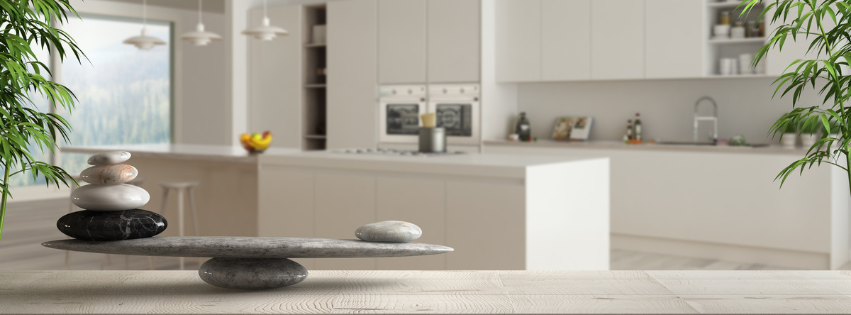
 Embracing Harmony: The Role of Feng Shui in Home Building and Interior Design
Feng Shui, an ancient Chinese art of placement, is gaining traction in the modern world of home building and interior design. Rooted in balancing energy within spaces, this philosophy offers profound insights into creating harmonious environments that support health, prosperity, and well-being. Let's explore how Feng Shui principles can be applied to enhance both architecture and interior design. Watch an interview with a Feng Shui expert.
Understanding Feng Shui
Feng Shui, which translates to "wind and water," is a practice focused on the harmonious arrangement of spaces to promote the flow of positive energy, or chi. At its core, Feng Shui seeks to balance the five elements—wood, fire, earth, metal, and water—to create environments that promote well-being. While its origins trace back over 3,000 years to ancient China, where it was primarily used for determining the placement of buildings and gravesites, it has evolved into a comprehensive system influencing everything from architecture to interior decor.
Feng Shui in Home Building
When building a home, Feng Shui begins with the site selection. Ideal locations are those with gentle slopes, fresh water access, and protection from harsh winds. These natural surroundings set the foundation for a site with good energy flow, which is essential before even laying the first brick.
In architectural design, the home's orientation and layout are of utmost importance. For instance, a house should face a direction that aligns with the homeowner’s personal energy, and the placement of rooms should allow energy to flow smoothly throughout the house. Entrances, which act as the mouth of chi, are given particular attention to ensure that positive energy enters and circulates effectively within the home.
One widely-used Feng Shui practice is to avoid placing the front and back doors directly in line with each other, as this can cause energy to rush through the house without benefiting its occupants. Additionally, bedrooms are often situated in quieter areas of the home to promote rest and rejuvenation.
Although modern architecture and building codes sometimes present challenges, Feng Shui principles can still be subtly integrated into home designs. For example, open floor plans can be sectioned using furniture or decor to guide the energy flow effectively.
Feng Shui in Interior Design
When it comes to interior design, Feng Shui provides guidelines for the placement of furniture, decor, and even color schemes to optimize energy flow. The arrangement of furniture is intended to encourage movement and conversation, while creating spaces that feel open and inviting. For instance, seating areas should promote communication by facing each other, and clutter should be minimized to allow energy to flow freely.
The use of color is also crucial in Feng Shui. Each color corresponds to one of the five elements and is used to evoke specific emotions and energies. For example, blues and greens (representing water and wood) are calming and restorative, making them ideal for spaces like bedrooms and living rooms. Natural materials like wood and stone also contribute to creating a balanced and grounded environment.
Different rooms require different Feng Shui considerations. The kitchen, for example, is associated with nourishment and wealth, and should be kept bright and clean to support positive energy. Bedrooms, on the other hand, should foster rest and intimacy by utilizing soothing colors and minimal electronics.
Practical Feng Shui Tips for Homeowners
For homeowners interested in incorporating Feng Shui into their spaces, there are simple changes that can make a significant impact:
- Declutter regularly: Clutter can block the flow of energy, so it's important to keep spaces tidy and organized.
- Introduce plants: Plants bring life and vitality into a space, enhancing the connection with nature.
- Use mirrors strategically: Mirrors can reflect light and energy, but avoid placing them directly opposite beds or front doors.
Overcoming Common Misconceptions
One of the most common misconceptions about Feng Shui is that it’s purely superstition. In reality, Feng Shui blends elements of design, psychology, and environmental science to create spaces that support well-being. Another misconception is that it requires expensive renovations, but many positive changes can be made through simple adjustments, such as rearranging furniture or adding plants.
For those who are skeptical, small, non-invasive changes often help demonstrate the positive effects of Feng Shui. Many clients notice improvements in their mood, sleep, and overall comfort after making subtle adjustments.
Feng Shui's Role in the Future of Design
As the focus on holistic living and wellness continues to grow, Feng Shui is likely to become more mainstream in the realms of home building and design. Its emphasis on balance, well-being, and environmental harmony aligns well with modern trends toward sustainability and mindful living.
Whether you’re designing a new home or simply rearranging a room, applying Feng Shui principles can help create a more harmonious and supportive living environment, enhancing both your space and quality of life.