
blog page headerArea Real Estate News & Market Trends

You’ll find our blog to be a wealth of information, covering everything from real estate news and local market statistics to expert interviews, home tips, and architectural insights. Explore topics like home values, community happenings, home design, and unique architectural home plans. We’re passionate about helping you find your place in the community and providing the knowledge you need to make informed decisions. Please reach out if you have any questions! We’d love to talk with you!

March 3, 2026

Jacksonville Waterfront Real Estate: Investment Goldmine or Money Pit in 2026?

Jacksonville’s waterfront has a special pull. The St. Johns River, the Intracoastal Waterway, and our beach‑area communities create a lifestyle that’s hard to beat—boating, sunsets, dolphins, and that instant sense of calm when you look out over the water.

But from an investment standpoint, the big question I hear is:
“Are Jacksonville waterfront homes still an investment goldmine… or are rising costs turning them into a money pit?”

In this blog, I’ll walk you through how waterfront appreciation is behaving in 2026, what’s driving values right now, and how to think strategically whether you’re buying or selling.


Jacksonville’s Different Types of Waterfront

When people say “waterfront,” they often imagine one thing: a house on the water. In reality, Jacksonville has several distinct waterfront “micro‑markets,” each with its own pricing and appreciation pattern:

  • Riverfront (St. Johns River) – Often larger lots, big views, and a mix of historic and luxury homes.
  • Intracoastal Waterway – Strong appeal for boaters, generally newer construction, and easy access to the beaches.
  • Beach‑area and coastal properties – Walkable to the ocean or with direct oceanfront, a strong lifestyle and second‑home draw.
  • Marsh and canal front – Often more affordable ways to get water views or limited access to water.

Because these areas serve different buyers, their values don’t move in perfect sync. That’s why two “waterfront” homes just a few miles apart can have very different appreciation profiles and risk/return trade‑offs.


How Waterfront Appreciation Is Behaving in 2026

Over the past few years, we saw rapid price growth across Jacksonville, including on the water. Demand surged, inventory tightened, and many waterfront owners experienced significant equity gains.

Now, in 2026, we’re in a more balanced phase of the market. That doesn’t mean a crash. It means:

  • Price growth has cooled from the double‑digit spikes of prior years.
  • Buyers have a bit more choice and a bit more negotiating power.
  • Sellers need to be more strategic, not just assume “it’s waterfront, it will sell itself.”

For prime waterfront—well‑located, elevated, well‑maintained homes—values remain resilient. These properties still benefit from scarcity and strong lifestyle demand.

For homes with challenges—older seawalls, low elevation, big deferred maintenance, or unfavorable insurance profiles—buyers are factoring in the risk and cost more carefully. That can translate into flatter pricing or more negotiation on the final sale price.

In other words, waterfront is still valuable, but it’s no longer a market where any property on the water automatically outperforms. Quality and risk matter.


What’s Driving Waterfront Values Right Now?

Several key forces are shaping what waterfront properties are actually worth today.

1. Lifestyle Demand

Waterfront living remains emotionally powerful. Many buyers are still willing to pay a premium for:

  • Private docks and boating access.
  • Big open views and sunsets.
  • Proximity to beaches and outdoor recreation.

This lifestyle demand is a major reason why well‑located waterfront continues to hold value over time.

2. Limited Supply

We can add more homes to the market, but we can’t create more true waterfront. There are only so many:

  • Deep‑water lots that can handle larger boats.
  • Properties with wide, unobstructed views.
  • Parcels in established, desirable waterfront communities.

That built‑in scarcity is why high‑quality waterfront tends to do well over the long run, even when the broader market goes through adjustment periods.

3. Insurance, Flood Risk, and Resilience

This is where the “money pit” fear often comes in. Buyers are looking closely at:

  • Flood zones and elevation.
  • Age and condition of the roof.
  • Seawall or bulkhead condition.
  • Hurricane mitigation and building standards.

Insurance costs and perceived risk now play a direct role in what buyers are willing to pay and how long they’re willing to hold a property. Homes that are better positioned and better protected often command stronger prices—and are easier to sell.

4. Development and Infrastructure

As different areas of Northeast Florida see infrastructure improvements, new amenities, or revitalization, nearby waterfront can benefit. Better access, improved roads, and stronger local services can quietly support appreciation over time.


Buying Jacksonville Waterfront: How to Avoid the Money Pit

If you’re thinking about buying a waterfront property as a primary home, second home, or long‑term investment, here are key principles I encourage clients to follow.

Focus on Fundamentals Over Finishes

It’s easy to fall in love with a beautifully staged home and a sparkling view. But the smartest buyers ask:

  • Is this property in a sensible flood zone for my comfort level?
  • How old are the major components (roof, windows, HVAC, seawall)?
  • What type of water access do I truly have—deep water, tidal, canal, marsh view only?

A solid, well‑located home that needs cosmetic updates is often a better investment than a gorgeous, low‑lying property with expensive long‑term risk.

Know Your True Cost of Ownership

Don’t just look at the purchase price. Build a realistic budget that includes:

  • Insurance (homeowners, wind, flood if needed).
  • Regular maintenance and seawall/bulkhead upkeep.
  • Dock repairs or upgrades, if applicable.

Understanding your numbers up front helps you avoid surprises and decide whether a given property makes sense for your financial comfort zone.

Think Long Term

Waterfront works best as a long‑term play. While some people do succeed with shorter‑term holds, most of the real benefit comes from:

  • Long‑term appreciation.
  • Enjoyment and quality of life.
  • The option to generate rental income in the right circumstances.

If you approach waterfront as a “get rich quick” move, you’re more likely to be disappointed. If you treat it as a lifestyle and long‑term equity decision, it can be a powerful part of your overall wealth picture.


Selling Waterfront in a Balanced Market

If you already own a waterfront home and are thinking about selling, strategy is crucial in 2026.

Condition and Confidence Sell

Modern buyers are looking for confidence. Homes tend to sell faster and stronger when owners:

  • Stay on top of maintenance and repairs.
  • Have clear information on insurance, flood zones, and past improvements.
  • Address major issues—or price realistically if they choose not to.

Even small steps, like a pre‑listing inspection or recent service invoices, can go a long way toward creating trust.

Market the Lifestyle, Not Just the House

When I market a waterfront property, I’m not just selling a structure—I’m selling a way of living:

  • Morning coffee overlooking the river or marsh.
  • Evenings on the dock.
  • Quick access to the boat ramp or marina.
  • Walkability or short drives to restaurants, parks, and the beach.

Showcasing these lifestyle elements helps buyers mentally move in—and makes them more willing to stretch for the right property.


So… Goldmine or Money Pit?

The truth is, Jacksonville waterfront can be either—and that’s exactly why thoughtful guidance matters.

It can be a goldmine when you:

  • Choose a property with strong fundamentals.
  • Understand and plan for the true costs of ownership.
  • Take a long‑term view of appreciation and lifestyle benefits.

It starts to feel like a money pit when:

  • Risk and maintenance needs are ignored at purchase.
  • Insurance and flood factors are treated as an afterthought.
  • Decisions are made emotionally instead of with a clear plan.

My goal as a waterfront realtor is to help you stay firmly in the goldmine category.


Watch the Full Video for a Deeper Dive

I recently recorded a YouTube video that walks through these ideas with more detail and examples:

“Investment Goldmine or Money Pit? Jacksonville Waterfront Home Prices & Appreciation Trends”

In the video, I cover:

  • The different types of waterfront in Jacksonville.
  • Current appreciation patterns and what’s changed.
  • How to evaluate risk vs. reward on specific properties.
  • Practical tips for buyers and sellers in today’s market.

You can watch it here: https://youtu.be/k2PBNx3HSKA


Thinking About Buying or Selling Waterfront in Jacksonville?

If you’re considering:

  • Buying your first waterfront home,
  • Moving up from inland to the water, or
  • Selling a waterfront property you already own,

I’d be happy to sit down with you, look at your specific situation, and give you an honest, data‑driven opinion—no pressure, no hype.

You can reach me directly through my website or contact page, and we can talk about whether Jacksonville waterfront is the right move for you right now.

Because at the end of the day, the best investment isn’t just the one that looks beautiful in photos—it’s the one that fits your goals, your lifestyle, and your peace of mind.

Feb. 24, 2026

Waterfront Home Inspections: What Matters Most Before You Buy in Jacksonville, Florida

Waterfront Home Inspections Are CriticalBuying a waterfront home in Jacksonville is an exciting milestone. Whether you’re drawn to riverfront views, canal access, or coastal living, waterfront property offers a lifestyle many dream about.

But waterfront homes require more due diligence than inland properties.

As a Jacksonville waterfront real estate specialist, my priority is protecting my buyers’ financial investment. Before you close on a waterfront property, here are the inspections that matter most.


Why Waterfront Inspections Are Different

Waterfront homes are exposed to:

  • Salt air
  • High humidity
  • Wind exposure
  • Flood risk
  • Soil movement
  • Dock and seawall wear

These environmental factors accelerate wear and tear. A standard home inspection is important — but it’s often not enough.

If you’re considering property along the St. Johns River or near the beaches of Jacksonville, specialized inspections are essential.


1. Structural & General Home Inspection

A full home inspection should carefully evaluate:

  • Foundation stability
  • Signs of settlement
  • Moisture intrusion
  • Roof condition
  • Window and door seals
  • Exterior materials

Moisture is one of the biggest threats to waterfront homes. Even minor leaks can lead to significant long-term structural damage.


2. Flood Zone & Elevation Certificate Review

Not all waterfront homes carry the same flood risk.

Buyers should verify:

  • FEMA flood zone designation
  • Availability of an elevation certificate
  • Prior flood insurance claims

Flood insurance premiums vary significantly depending on elevation and location. Understanding this before closing protects you from unexpected costs.


3. Seawall Inspection

If the property includes a seawall, this inspection is critical.

Repairs or replacement can be costly.

Look for:

  • Cracks or leaning
  • Soil erosion behind the wall
  • Rusting tie-backs
  • Structural instability

Sometimes additional evaluation from a marine contractor is advisable.


4. Dock & Boat Lift Evaluation

Docks are infrastructure — not décor.

An inspection should include:

  • Pilings condition
  • Decking stability
  • Electrical wiring
  • Boat lift functionality
  • Roof integrity on covered docks

Saltwater and brackish environments accelerate deterioration, especially in wood and metal components.


5. Termite & Wood-Destroying Organism Inspection

Florida waterfront homes are particularly vulnerable to termites and wood rot.

Even concrete block homes contain structural wood framing that must be inspected carefully.


6. Electrical & Corrosion Concerns

Salt air increases corrosion in:

  • Electrical panels
  • Outdoor fixtures
  • HVAC systems
  • Fasteners and hardware

Ensuring these systems are functioning safely protects both your investment and your family.


7. Roof & Wind Mitigation Inspection

Waterfront properties experience higher wind exposure.

A wind mitigation inspection can:

  • Identify roof attachment strength
  • Evaluate shingle integrity
  • Potentially reduce insurance premiums

Protecting Your Investment

Waterfront homes are more than emotional purchases — they are significant financial commitments.

A failing seawall.
A deteriorating dock.
Hidden moisture damage.

These are not minor repairs.

When I guide buyers through the waterfront purchasing process in Jacksonville, I focus on clarity, due diligence, and long-term peace of mind.

Because waterfront living should feel rewarding — not risky.


Considering Buying Waterfront Property in Jacksonville?

If you’re exploring waterfront homes along the St. Johns River, canal communities, or oceanfront areas, having the right guidance matters.

If you’d like to discuss waterfront inspections, flood zones, or market conditions, I’m happy to help you navigate the process with confidence.

Luxury isn’t about the price of the home.

It’s about the level of protection and care you receive throughout the transaction.

Feb. 17, 2026

The Health Benefits of Waterfront Living: Why Living Near Water Improves Well-Being

Sunrise on the Intracoastal WaterwayThe Health Benefits of Waterfront Living

When buyers begin exploring waterfront homes, they’re often drawn in by the views. The sunsets. The peaceful mornings. The gentle movement of the tides.

But waterfront living offers more than aesthetic beauty. There is growing scientific evidence showing that living near water can positively impact both physical and mental health.

What Is “Blue Space”?

Researchers use the term Blue Space to describe environments where water is visible—rivers, lakes, oceans, canals, and marshes.

Studies examining the effects of Blue Space have found that proximity to water is associated with:

  • Reduced stress levels

  • Lower anxiety

  • Improved mood

  • Increased mental clarity

  • Greater overall well-being

One major study that followed more than one million individuals found that those living closer to water had approximately a 12–17% lower risk of death from major causes such as heart and respiratory disease.

While waterfront homes require thoughtful consideration regarding maintenance and weather exposure, the health benefits tied to natural water environments are compelling.


How Waterfront Living Reduces Stress

The rhythmic movement of water has a calming effect on the nervous system. Gentle waves, shifting reflections, and the sound of water create a sensory environment that helps lower cortisol—the hormone associated with stress.

Even short periods spent near water have been shown to promote relaxation.


Improved Mental Clarity and Emotional Well-Being

Natural environments reduce mental fatigue. Water in particular creates a soft visual focus that allows the brain to reset.

Many waterfront homeowners describe feeling:

  • More grounded

  • More patient

  • More mentally clear

These effects are not simply anecdotal—they align with ongoing environmental psychology research.


Encouraging an Active, Outdoor Lifestyle

Waterfront living naturally promotes outdoor activity. Walking along a dock, kayaking, boating, paddleboarding, or simply spending time outside increases movement and exposure to natural light.

Sunlight helps regulate sleep cycles and supports healthy vitamin D levels—two additional factors that contribute to overall well-being.


Is Waterfront Living Right for You?

While the health benefits of waterfront living are significant, it’s important to balance them with practical considerations such as flood zones, insurance, dock maintenance, and long-term upkeep.

For many homeowners in Jacksonville, however, waterfront property represents more than a real estate decision—it represents a lifestyle choice centered around well-being.

If you’re exploring waterfront homes in Jacksonville and want honest guidance about the lifestyle, costs, and considerations, I share weekly insights on my YouTube channel and here on the blog.


Watch the Full Video


You can watch my full video on the health benefits of waterfront living here:

https://youtu.be/7sLIceoG-po

Feb. 10, 2026

Buying Waterfront Homes: Biggest First-Time Buyer Mistakes

Buying a waterfront home is a dream for many buyers. The views, the lifestyle, and the sense of calm that comes from living near the water are hard to match.
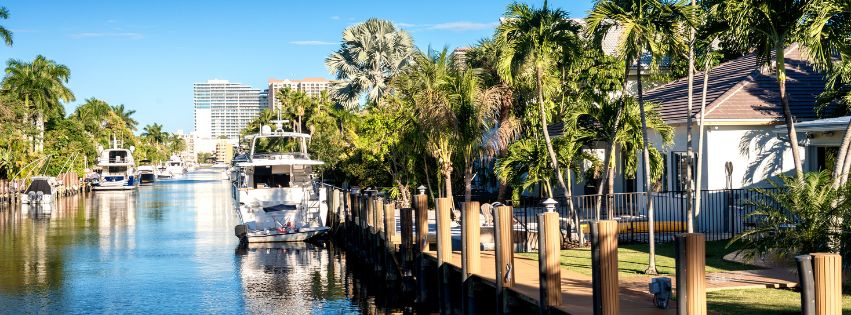
But waterfront real estate comes with unique considerations — and first-time waterfront buyers often make costly mistakes by treating it like a typical home purchase.

Below are the biggest first-time waterfront buyer mistakes and what you need to know before buying a waterfront home or condo.


1. Not Understanding the Type of Waterfront Property

Not all waterfront properties are the same. Riverfront, canal-front, marsh-front, intracoastal, and oceanfront homes all behave differently.

Water depth, tides, boat access, noise levels, and even seasonal changes can dramatically affect your experience. First-time buyers often focus on the view without understanding how the water actually functions day to day.


2. Underestimating Waterfront Maintenance Costs

Waterfront homes typically require more maintenance than inland properties.

Salt air, moisture, and sun exposure can accelerate wear on roofs, windows, HVAC systems, docks, and seawalls. Landscaping and erosion control may also cost more.

Understanding these costs upfront helps buyers budget realistically and avoid surprises later.


3. Not Fully Understanding Flood Zones and Base Flood Elevation

Flood zones and flood insurance are often misunderstood by first-time waterfront buyers.

Not all waterfront homes are in flood zones, and not all flood zones carry the same insurance costs. Base Flood Elevation (BFE) plays a major role in insurance pricing and building requirements.

Flood maps can change, and insurance costs should always be reviewed before purchasing a waterfront property.


4. Assuming Waterfront Condos Are Automatically Easier

Waterfront condos can be a great option for buyers who want less hands-on maintenance and a lock-and-leave lifestyle.

However, buyers must carefully evaluate HOA fees, financial reserves, and building condition. Waterfront condo HOAs often include insurance, elevators, pools, seawalls, and structural maintenance.

After the Miami condo collapse, Florida implemented new inspection and reserve requirements. These changes mean special assessments are more common and may be required to fund necessary repairs.

Reviewing HOA documents, inspections, and reserve studies is essential before buying a waterfront condo.


5. Not Thinking Long-Term About Waterfront Lifestyle

Waterfront living is a lifestyle choice, not just a real estate decision.

Boat traffic, stairs, changing water levels, and long-term accessibility should all be considered. Buyers who think long-term tend to be happier and make stronger investment decisions.


6. Choosing an Agent Without Waterfront Experience

Waterfront real estate involves insurance nuances, environmental factors, docks, seawalls, HOAs, and long-term risk planning.

Working with an agent who understands waterfront property can help buyers avoid costly mistakes and protect their investment.


Final Thoughts

Buying a waterfront home or condo can be an incredible experience when you have the right information and guidance.


If you’re considering waterfront living in Jacksonville or Northeast Florida, understanding these common first-time buyer mistakes can help you buy with confidence and clarity.

Feb. 3, 2026

Pros and Cons of Canal Living in Jacksonville: What Waterfront Buyers Need to Know

Canal LivingCanal-front homes are often one of the most appealing entry points into waterfront living. Calmer water, dock access, and a lower price point compared to river or oceanfront properties make canal homes especially attractive to buyers exploring Jacksonville waterfront real estate.

But while canal living offers many advantages, it also comes with important considerations that buyers need to understand before making a purchase.

In this guide, we’ll break down the real pros and cons of canal living in Jacksonville — from lifestyle benefits to practical factors like tides, water depth, and privacy — so you can decide whether canal-front living is right for you.


The Pros of Canal Living

Calmer Water

One of the biggest benefits of canal-front homes is calm water. Unlike river or Intracoastal properties, canals typically experience less boat traffic and fewer large wakes. This creates a peaceful environment that’s ideal for kayaking, paddleboarding, floating, or relaxing at the dock.

For families, pet owners, and buyers who enjoy quiet water activities, this can be a major lifestyle advantage.

Protected Boating

Canals are often more sheltered from wind and rough conditions. On days when larger waterways feel choppy, canal water may remain usable and comfortable. This protection can make boating feel more approachable, especially for newer or casual boaters.

More Accessible Price Point

Compared to riverfront, Intracoastal, or oceanfront homes, canal-front properties are often more affordable. Buyers still enjoy water views, dock access, and the waterfront lifestyle — but at a more approachable price point.

For many buyers, canals provide an excellent opportunity to enter the waterfront market.


The Cons of Canal Living

Tides and Water Depth

One of the most overlooked aspects of canal living is how much tides can impact usability. Some canals experience significant water level changes at low tide, which can affect boating access and dock functionality.

Understanding the specific canal — not just the neighborhood — is critical before buying.

Water Flow and Maintenance

Because canals are more enclosed, water circulation varies. Some canals maintain excellent flow and water quality, while others may experience algae buildup, debris, or odor issues at certain times of year.

Dock maintenance, seawalls, and water movement all play a role in long-term enjoyment.

Privacy Considerations

In many canal communities, homes sit directly across from one another. This can mean less privacy than buyers expect from waterfront living, especially compared to wider riverfront or marsh-front properties.

Privacy tolerance is a personal factor — but one worth considering early.


Is Canal Living Right for You?

Canal living can be calm, enjoyable, and incredibly rewarding — but it’s not automatically the best fit for every buyer.

Lifestyle, boating habits, privacy preferences, and comfort with tides and maintenance should all factor into the decision. That’s why working with a knowledgeable local waterfront Realtor can make such a difference.


Learn More About Canal Living

For a deeper dive into canal living — including visuals and real-world examples — watch my full video on YouTube:

Pros and Cons of Canal Living in Jacksonville


Jan. 27, 2026

Tides Matter: What Every Jacksonville Waterfront Buyer Needs to Know

If you’re dreaming about a home on the water in Jacksonville, there’s one thing that deserves just as much attention as the view, the dock, or the boat lift—and that’s the tides.

Tides aren’t just a background detail of waterfront living. They impact boating access, dock usability, water depth, maintenance, and even long-term enjoyment of your property. And yet, they’re one of the most misunderstood aspects of buying a waterfront home.

As a Jacksonville waterfront Realtor, I’ve seen tides make or break a buyer’s experience. That’s why I created a video called “Tides Matter”—and why this knowledge is so important before you fall in love with a waterfront home.

You can watch the full video here: Tides Matter – Jacksonville Waterfront Living


Why Tides Matter More Than You Think

Jacksonville is unique because we’re influenced by both river systems and ocean tides. This means water levels can rise and fall significantly throughout the day—sometimes several feet.

What does that mean for homeowners?

  • A dock that works beautifully at high tide may be unusable at low tide

  • Boats may not clear shallow areas without careful timing

  • Certain waterfront homes may only allow boating during specific tide windows

  • Maintenance, algae growth, and dock design are all affected by tidal movement

Understanding tides isn’t about fear—it’s about buying the right property for your lifestyle.


River, Intracoastal, Marsh, and Canal: Tides Affect Each Differently

Not all waterfronts experience tides the same way.

Riverfront Properties

Riverfront homes typically have steady tidal movement with deeper water, making them ideal for larger boats and consistent access. However, tides still influence current strength, docking ease, and wake activity.

Intracoastal Waterfront

Intracoastal properties experience strong tidal swings due to their connection to the ocean. This means excellent boating access—but docks must be designed to handle changing water levels and boat traffic.

Marshfront Homes

Marshfront living is beautiful and serene, but tides are critical here. At low tide, water may recede significantly, affecting kayak or skiff access. Buyers need to understand how often the water is navigable and what type of boat fits this environment.

Canal Waterfront

Canals can vary widely. Some are dredged and tide-friendly, while others may become shallow at low tide. This is where many buyers are surprised after closing—unless tides were properly evaluated beforehand.


Dock Design and Boat Access: Timing Is Everything

One of the biggest mistakes buyers make is assuming that “waterfront” automatically means 24/7 boat access.

Dock height, floating vs. fixed docks, boat lifts, and ladder placement all need to match the tidal range of the property. A well-designed dock works with the tide—not against it.

This is something I walk through carefully with my buyers, because the goal isn’t just owning waterfront—it’s enjoying it without frustration.


Tides, Insurance, and Long-Term Ownership

Tides also play a role in:

  • Flood zones and insurance considerations

  • Shoreline erosion

  • Dock and seawall maintenance

  • Future resale value

Buyers who understand tides upfront tend to feel more confident, make smarter decisions, and enjoy their waterfront homes longer.


Watch the Video: Tides Matter

If you’re considering buying a waterfront home in Jacksonville, I highly recommend watching my video “Tides Matter”, where I break this down visually and explain what to look for before you buy.

Watch here: Tides Matter – Jacksonville Waterfront Living


Thinking About Buying or Selling a Waterfront Home?

Waterfront living can be incredible—but only when it matches your lifestyle, your boat, and your expectations.

If you’re exploring waterfront options in Jacksonville and want guidance from someone who lives and breathes this market, I’d love to help you navigate it with clarity and confidence.


Because when it comes to waterfront homes—details like tides really do matter.

Jan. 20, 2026

Waterfront Insurance Isn’t Simple: What Jacksonville Buyers Need to Know

Waterfront insurance is one of the biggest concerns I hear from buyers moving to Jacksonville — and understandably so.
Not because it’s impossible, but because it’s often misunderstood.

As a Jacksonville waterfront Realtor, part of my role is helping buyers understand the realities of waterfront ownership — including insurance — before they fall in love with a home. The more you understand your waterfront property upfront, the better your outcome long term.


Why Is Insurance So Expensive in Florida?

Florida’s insurance market is unique, and several factors contribute to higher premiums statewide — especially for waterfront homes.

1. Storm History and Natural Risk

Florida has a long history of hurricanes, tropical storms, and flooding. Insurance companies must account for billions of dollars in past and potential claims, and those costs are reflected in premiums.

2. Lawsuits and Fraud

Historically, Florida has experienced unusually high rates of insurance lawsuits and fraudulent claims, particularly related to roofing. Legal expenses became a significant burden for insurers, and those costs were ultimately passed on to homeowners.

3. Fewer Insurance Options

Many large national insurance carriers have reduced coverage or exited the Florida market altogether due to repeated financial losses. With fewer insurers available, remaining companies — often smaller, regional providers — can charge higher rates.

When private insurance isn’t available, homeowners may turn to Citizens Property Insurance Corporation, Florida’s state-backed insurer of last resort.


Why Waterfront Insurance Feels So Overwhelming

Waterfront homes sit at the intersection of several different insurance considerations. Instead of a single policy, buyers are often navigating multiple layers, including:

  • Homeowners insurance

  • Flood insurance

  • Wind or named storm coverage

Each of these is evaluated differently depending on location, elevation, construction type, age of the home, and mitigation features. This complexity is why waterfront insurance can feel confusing — but understanding the pieces makes it manageable.


Flood Zones: What They Do (and Don’t) Mean

Flood zones are one piece of the puzzle — not the whole picture.

Two homes in the same neighborhood, even on the same street, can have very different flood insurance outcomes based on:

  • Elevation

  • Foundation type

  • Year built

  • Renovations and updates over time

A higher-risk flood zone does not automatically mean a home is uninsurable, and a lower-risk zone does not guarantee low premiums.

Is Flood Insurance Mandatory for Waterfront Homes?

Flood insurance is not always required. It depends on whether the home is located in a designated flood zone and whether there is a mortgage.

That said, I always strongly recommend flood insurance for waterfront properties. Standard homeowners insurance does not cover flood damage caused by storm surge or rising water.


Why Elevation Certificates Matter

An elevation certificate is one of the most valuable tools for waterfront buyers.

It shows how a home sits relative to the base flood elevation, which insurers use to assess flood risk more accurately. In many cases, an elevation certificate can:

  • Provide clearer insurance quotes

  • Help avoid worst-case pricing assumptions

  • Sometimes reduce flood insurance costs

If a waterfront home already has an elevation certificate, it’s worth reviewing early in the buying process.


Older vs. Newer Waterfront Homes

Newer Waterfront Homes

Newer construction is typically built to modern flood and wind standards, which can simplify insurance conversations and provide more favorable options.

Older Waterfront Homes

Older homes may require additional documentation, such as:

  • Roof age and material

  • Electrical and plumbing updates

  • Wind mitigation features

  • Foundation details

This doesn’t mean older waterfront homes can’t be insured — it simply means details matter.


Wind and Storm Considerations in Jacksonville

Wind exposure varies depending on the type of waterfront property:

  • Oceanfront homes experience the highest exposure

  • Intracoastal and riverfront properties follow

  • Canal and marshfront homes may have different wind dynamics

No waterfront property is immune to storms. Wind mitigation features such as impact windows, storm shutters, roof tie-downs, and reinforced roofing systems play an important role in insurance evaluations.


What Waterfront Buyers Should Do Early

One of the biggest mistakes buyers make is waiting too long to explore insurance.

As soon as you find a waterfront home you think could be “the one,” I recommend:

  • Reviewing flood zones early

  • Asking whether an elevation certificate exists

  • Getting preliminary insurance guidance before making major decisions

This proactive approach helps avoid surprises, supports confident offers, and keeps transactions moving smoothly.


The Big Picture on Waterfront Insurance

Waterfront insurance isn’t something to fear — it’s something to understand.

With the right information and preparation, most buyers find a path forward that aligns with both their lifestyle and their budget.

Waterfront living in Jacksonville offers incredible rewards, but it also comes with responsibilities. The more informed you are about your waterfront property, the better your experience will be.

If you’re navigating a waterfront purchase and want guidance grounded in real-world Jacksonville waterfront experience, I’m always happy to help.


Jan. 13, 2026

New Isn't Always Better

New Construction vs Older Waterfront Homes in Jacksonville

When buyers start looking at waterfront homes in Jacksonville, many assume that new construction is automatically the best option.

Newer homes can offer modern layouts, updated systems, and current building codes — but when it comes to waterfront real estate, newer isn’t always better.

Understanding the differences between new construction and older waterfront homes in Jacksonville can help buyers make smarter decisions and help sellers position their homes more effectively.


Why Waterfront Homes Are Different

Waterfront homes face conditions that inland homes simply don’t:

  • tidal water

  • higher moisture exposure

  • salt air

  • flood considerations

  • wind and storm impact

Because of this, how — and when — a waterfront home was built matters just as much as how it looks today.


New Construction Waterfront Homes: The Benefits

New construction waterfront homes in Jacksonville are typically built to:

  • current wind and flood codes

  • modern elevation standards

  • updated electrical and plumbing systems

They may also offer:

  • open floor plans

  • energy efficiency

  • lower short-term maintenance

For many buyers, these features are appealing — especially if they want a move-in-ready home.


Older Waterfront Homes: What Buyers Often Overlook

Older waterfront homes are sometimes dismissed too quickly, but they can offer meaningful advantages, such as:

  • proven performance through past storms

  • established elevations relative to flood zones

  • mature landscaping and waterways

  • docks and seawalls already in place

Insurance for older waterfront homes can be more nuanced, often involving elevation certificates, inspections, and underwriting — but that doesn’t mean they’re uninsurable or undesirable.


Insurance and Elevation Matter More Than Age Alone

When it comes to waterfront insurance in Jacksonville, insurers care less about whether a home is new or old — and more about:

  • elevation above base flood level

  • foundation type

  • proximity to open water

  • construction details

Two homes of the same age can have very different insurance outcomes depending on these factors.

This is why blanket advice doesn’t work for waterfront properties.


Lifestyle and Long-Term Ownership Considerations

Beyond insurance and construction, buyers should consider:

  • maintenance expectations

  • access to the water

  • dock functionality

  • how the home will age over time

A newer home may require less immediate upkeep, while an older home may offer a more established waterfront setting.

Neither option is inherently better — it depends on your priorities.


What This Means for Buyers

If you’re buying a waterfront home in Jacksonville:

  • don’t assume new equals better

  • evaluate elevation and foundation early

  • factor insurance into your decision

  • understand how the home will live day to day

The best waterfront home is the one that aligns with your lifestyle and long-term goals.


What This Means for Sellers

If you’re selling an older waterfront home:

  • transparency builds trust

  • documentation matters

  • understanding your home’s strengths helps buyers feel confident

If you’re selling new construction:

  • education helps buyers appreciate the value

  • clarity sets expectations


Final Thought

Waterfront real estate isn’t about age — it’s about understanding.


The more you understand your waterfront property, the better your outcome.

Jan. 6, 2026

Why Jacksonville Waterfront Is Different

Not All Waterfront Is the Same — What Buyers and Sellers Need to Know

When people think about waterfront living in Florida, they often picture one simple thing: a house with water behind it.

But Jacksonville waterfront homes are different — and understanding why is critical if you’re buying or selling along the water here.

Jacksonville is not a single coastline or a single body of water. It’s a diverse network of rivers, canals, marshes, Intracoastal waterways, and oceanfront properties, each with its own characteristics, lifestyle considerations, and long-term implications.

As a Jacksonville waterfront real estate agent, I help buyers and sellers understand not just how a home looks — but how it lives.

Because not all waterfront is the same, and the more you understand your waterfront property, the better your outcome.


Jacksonville Offers Many Types of Waterfront Living

Unlike many Florida cities that focus primarily on oceanfront or lakefront homes, Jacksonville offers a wide range of waterfront environments, including:

  • Riverfront homes along the St. Johns River

  • Intracoastal Waterway properties

  • Canal-front homes with varying water access

  • Marshfront homes with expansive views and wildlife

  • Oceanfront homes along the Atlantic coast

Each type of waterfront offers a different experience — and requires different considerations when it comes to boating, tides, maintenance, insurance, and resale value.


Tides Play a Major Role in Jacksonville Waterfront Homes

One of the biggest differences in Jacksonville waterfront living is the impact of tides.

Many waterfront homes here are tidal, meaning water levels rise and fall throughout the day. This affects:

  • Dock usability

  • Boat access at certain times

  • Water depth in canals

  • The appearance of marshes and riverbanks

A home that looks perfect at high tide may feel very different at low tide — and that doesn’t make it better or worse. It simply makes it important to understand before buying.


Waterfront Lifestyle Depends on the Type of Water

Each type of waterfront comes with its own lifestyle realities:

  • Canal-front homes may offer protected boating access, but depth and tide patterns vary.

  • Marshfront homes provide stunning sunsets and wildlife, with visible tidal changes throughout the day.

  • Riverfront homes often offer deeper water access, but current and boat traffic matter.

  • Oceanfront homes offer incredible views, but also higher exposure to wind, salt, and maintenance.

Understanding how a waterfront home functions is just as important as loving the view.


Flood Zones and Insurance Vary Widely

Another reason Jacksonville waterfront is different is how much flood zones and insurance requirements vary — sometimes from one street to the next.

Insurance considerations can depend on:

  • elevation

  • foundation type

  • age of the home

  • proximity to open water

  • current flood maps

There is no one-size-fits-all answer, which is why local waterfront knowledge is so important.


What This Means for Waterfront Buyers

If you’re buying a waterfront home in Jacksonville, understanding these differences helps you:

  • choose the right type of waterfront for your lifestyle

  • avoid surprises after closing

  • evaluate long-term value, not just aesthetics

Waterfront homes are not just about location — they’re about how the property performs over time.


What This Means for Waterfront Sellers

If you’re selling a waterfront home, today’s buyers are asking smarter questions.

Sellers who understand:

  • tide patterns

  • water access

  • dock functionality

  • flood zone considerations

are better positioned to build trust and attract serious, qualified buyers.

Transparency strengthens confidence.


Jacksonville Waterfront Requires a Different Level of Guidance

Waterfront real estate in Jacksonville is nuanced. It rewards buyers and sellers who take the time to understand it — and who work with professionals who do.

Whether you’re buying or selling a Jacksonville waterfront home, clarity leads to better decisions.

The more you understand your waterfront property, the better your outcome.


About the Author

Amanda Bolwell is a Jacksonville real estate agent specializing in waterfront homes, helping buyers and sellers navigate tides, flood zones, docks, insurance considerations, and waterfront lifestyle realities with calm, informed guidance.

May 7, 2025

Why Bigger Isn’t Always Better: The Real Deal on Boutique Real Estate Firms

Let’s address the elephant in the open-concept room: Big-box real estate firms are everywhere. You’ve seen their signs on lawns, their agents in matching blazers, and their commercials featuring smiling agents hugging people in front of homes they may or may not actually live in.

But here’s a wild thought: What if the best agent for your biggest investment isn’t working under a giant national logo... but right here at your locally owned, independent real estate firm?

We Do the Same Stuff — Just Without the Billboard Budget Before you think boutique equals basic, let’s get one thing straight:

  • We take the same licensing exams (yes, they were painful).

  • We follow the same compliance rules (insert paperwork avalanche here).

  • We use the same MLS, lockboxes, marketing tools, photographers, and staging hacks.

In fact, many of us take better continuing education — because we're not forced to sit through webinars designed in 2009 by someone in another state. Additionally, you may find more boutique agents hold more accredited designations like Luxury market, probate, higher negotiation skills or a GRI (Graduate, REALTOR® Institute) where less than 10% of agents have this accreditation.

So, what’s the actual difference?

Follow the Money (Hint: It’s Not Going Where You Think)

Here’s something they don’t put on the bus stop ads: Big-box agents often pay a huge portion of their commission back to their brokerage — to help fund branding campaigns and national marketing that doesn’t do a thing for your specific property. That means they need to juggle more clients just to stay afloat. Busy is great... until your agent’s idea of communication is a single emoji text at midnight.

You’re Not Paying for an Agent’s Popularity Contest

Sure, it looks impressive when one agent has a dozen signs around town. But here's the reality: each listing adds hours of emails, calls, negotiations, inspections, and legal docs. When agents take on too much, two things happen:

  • Your listing sits while they’re chasing offers elsewhere.

  • You get passed off to a non-licensed assistant who once shadowed a closing and now considers themselves a “real estate coordinator.”

No, thank you.

Small Firm = Big Attention

At a smaller firm, we keep it lean so we can keep it focused. We don’t have to split commissions six ways before we pay the office coffee bill. That means we can give you more time, more advice, and more attention — which, shockingly, leads to better outcomes.

When it’s your money on the line — your investment, your timing, your dreams — do you really want to be one of many files in a franchise system?

Trust Built on Results, Not TV Ads

Big franchise brokerages have million-dollar marketing budgets. You know what we have?

  • Experience

  • Local knowledge

  • A deep, personal need to impress you so you’ll refer us to your friends

And let's be real — no amount of slick commercials will help when an overlooked document delays your closing or opens you up to liability. Oversight = expense.

Bottom Line: It’s Your Property, Not Their Promotion

You're hiring a real estate agent for their expertise, not their logo. So don’t let shiny branding blind you.

Choose a real estate partner who has the same training, uses the same tools, but gives you more time, care, and focus — because at a smaller firm, your success is our reputation.

Call to Action:

At HomesAnytime.com, we’re not here to be the biggest — we’re here to be the best. If you're buying or selling in Jacksonville, FL, let's talk about what personalized real estate service really looks like. 👉 Visit HomesAnytime.com or call us today.