blog page headerArea Real Estate News & Market Trends

You’ll find our blog to be a wealth of information, covering everything from real estate news and local market statistics to expert interviews, home tips, and architectural insights. Explore topics like home values, community happenings, home design, and unique architectural home plans. We’re passionate about helping you find your place in the community and providing the knowledge you need to make informed decisions. Please reach out if you have any questions! We’d love to talk with you!

March 23, 2025

Residential Income - Jacksonville Beach

Turnkey Duplex in Jacksonville Beach – Steps from the Ocean!

If you've been searching for the perfect investment property or a dream beachside retreat, look no further! This turnkey duplex in Jacksonville Beach is an incredible opportunity to own a fully furnished property just two blocks from the ocean.

A Prime Investment Opportunity

Currently operating as a highly successful Airbnb, this duplex is ready to generate income from day one. Each townhome is fully equipped with furniture, linens, cutlery, and more, making it effortless for new owners to continue renting without any downtime. Whether you're an investor looking for consistent rental income or a homebuyer wanting to live in one unit and rent out the other, this property offers endless possibilities.

Property Highlights

  • Two fully furnished townhomes sold together (Listing #2075336 & #2075340)

  • Each unit includes: Private side yards, dedicated front parking spaces

  • Location: Just two blocks from the ocean in vibrant Jacksonville Beach

  • Turnkey Airbnb operation—ready to generate income immediately

  • Walking distance to hotels, restaurants, and shops

Why Jacksonville Beach?

Jacksonville Beach is a hotspot for vacationers, offering miles of pristine beaches, fantastic dining, and a lively coastal lifestyle. Properties in this sought-after location attract high occupancy rates and strong rental income, making this duplex a smart investment for short-term or long-term rentals.

The Benefits of Owning a Residential Income Property

Investing in a residential income property like this duplex offers multiple advantages:

  • Steady Cash Flow: Generate passive income through short-term or long-term rentals.

  • Property Appreciation: Jacksonville Beach real estate values continue to rise, making this a strong long-term investment.

  • Tax Benefits: Rental property owners may qualify for deductions on mortgage interest, property taxes, depreciation, and maintenance costs.

  • Flexibility: Rent out both units for maximum income, or live in one and let the other help cover expenses.

  • High Demand: Beachside properties are always in demand, ensuring consistent occupancy and rental income potential.

Don’t Miss Out!

With its unbeatable location, move-in-ready condition, and income-generating potential, this Jacksonville Beach duplex won’t stay on the market for long. Contact us today to schedule a private showing and see why this property is the perfect blend of investment and lifestyle.

📩 For more details, reach out to us today!

Dec. 9, 2024

Barndominium Bliss

Barndominium Bliss: Building a Home with Height, Light, and Character

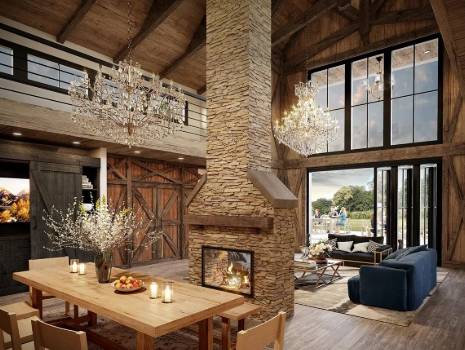
Imagine a home that combines rustic charm with modern sophistication—a space where height and light create a dramatic yet welcoming atmosphere. That’s the essence of this barndominium architectural plan #85363MS, designed for those who crave open spaces, natural beauty, and a unique home that’s anything but ordinary.

Drama and Warmth at the Heart of the Home
At the center of this striking design is a double-sided fireplace that brings warmth and ambiance to both the living room and dining room. This central feature not only enhances the character of the home but also anchors its open-concept layout. From the main floor, your gaze is drawn upward to the second level, where the open mezzanine overlooks the light-filled core of the house—a perfect blend of spaciousness and intimacy.

A Kitchen Designed for Gathering
The main living area seamlessly blends with the dining room and an entertainer’s dream kitchen. Featuring a large social island, this kitchen invites conversations to flow as freely as the culinary creations being prepared. Whether you’re hosting a dinner party or enjoying a quiet family meal, this space is as functional as it is inviting.

Indoor-Outdoor Living at Its Best
In today’s world, the connection between indoor and outdoor living is more important than ever. This barndominium plan delivers with generous covered outdoor living spaces. These areas provide shelter for gatherings in any weather, making it easy to enjoy the great outdoors year-round. Whether you envision sipping coffee with mountain views or hosting a seaside barbecue, this home adapts to any environment and enhances every lifestyle.

Let the Outside In
Humans are naturally drawn to nature, and this design honors that connection. Expansive windows blur the line between indoors and out, filling the home with natural light and offering breathtaking views of the surrounding landscape. From the comfort of your living room, you’ll feel immersed in nature’s beauty without sacrificing the coziness of being indoors.

A Plan for Every Location and Lifestyle
Whether nestled in the mountains or perched on the coast, this barndominium plan is versatile enough to complement any setting. Its blend of modern comforts and timeless charm makes it an ideal choice for those seeking a home that stands out while feeling completely in harmony with its surroundings.

Ready to build your dream barndominium? Explore this architectural plan and imagine the life you’ll create in a home filled with height, light, and unforgettable character.

Nov. 25, 2024

How Feng Shui principles can be applied to enhance both architecture and interior design.

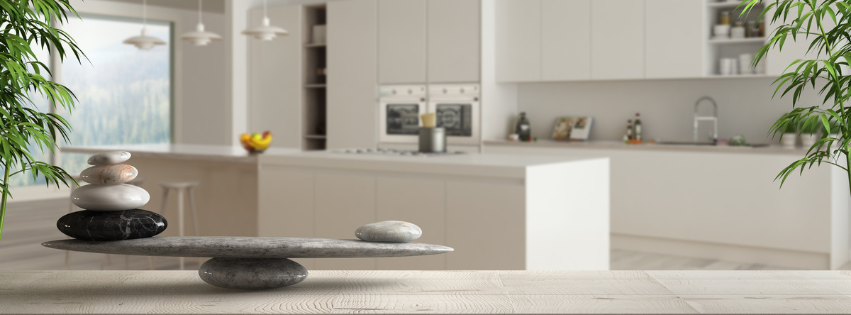
Feng Shui balancing the homeEmbracing Harmony: The Role of Feng Shui in Home Building and Interior Design

Feng Shui, an ancient Chinese art of placement, is gaining traction in the modern world of home building and interior design. Rooted in balancing energy within spaces, this philosophy offers profound insights into creating harmonious environments that support health, prosperity, and well-being. Let's explore how Feng Shui principles can be applied to enhance both architecture and interior design. Watch an interview with a Feng Shui expert.

Understanding Feng Shui

Feng Shui, which translates to "wind and water," is a practice focused on the harmonious arrangement of spaces to promote the flow of positive energy, or chi. At its core, Feng Shui seeks to balance the five elements—wood, fire, earth, metal, and water—to create environments that promote well-being. While its origins trace back over 3,000 years to ancient China, where it was primarily used for determining the placement of buildings and gravesites, it has evolved into a comprehensive system influencing everything from architecture to interior decor.

Feng Shui in Home Building

When building a home, Feng Shui begins with the site selection. Ideal locations are those with gentle slopes, fresh water access, and protection from harsh winds. These natural surroundings set the foundation for a site with good energy flow, which is essential before even laying the first brick.

In architectural design, the home's orientation and layout are of utmost importance. For instance, a house should face a direction that aligns with the homeowner’s personal energy, and the placement of rooms should allow energy to flow smoothly throughout the house. Entrances, which act as the mouth of chi, are given particular attention to ensure that positive energy enters and circulates effectively within the home.

One widely-used Feng Shui practice is to avoid placing the front and back doors directly in line with each other, as this can cause energy to rush through the house without benefiting its occupants. Additionally, bedrooms are often situated in quieter areas of the home to promote rest and rejuvenation.

Although modern architecture and building codes sometimes present challenges, Feng Shui principles can still be subtly integrated into home designs. For example, open floor plans can be sectioned using furniture or decor to guide the energy flow effectively.

Feng Shui in Interior Design

When it comes to interior design, Feng Shui provides guidelines for the placement of furniture, decor, and even color schemes to optimize energy flow. The arrangement of furniture is intended to encourage movement and conversation, while creating spaces that feel open and inviting. For instance, seating areas should promote communication by facing each other, and clutter should be minimized to allow energy to flow freely.

The use of color is also crucial in Feng Shui. Each color corresponds to one of the five elements and is used to evoke specific emotions and energies. For example, blues and greens (representing water and wood) are calming and restorative, making them ideal for spaces like bedrooms and living rooms. Natural materials like wood and stone also contribute to creating a balanced and grounded environment.

Different rooms require different Feng Shui considerations. The kitchen, for example, is associated with nourishment and wealth, and should be kept bright and clean to support positive energy. Bedrooms, on the other hand, should foster rest and intimacy by utilizing soothing colors and minimal electronics.

Practical Feng Shui Tips for Homeowners

For homeowners interested in incorporating Feng Shui into their spaces, there are simple changes that can make a significant impact:

  • Declutter regularly: Clutter can block the flow of energy, so it's important to keep spaces tidy and organized.
  • Introduce plants: Plants bring life and vitality into a space, enhancing the connection with nature.
  • Use mirrors strategically: Mirrors can reflect light and energy, but avoid placing them directly opposite beds or front doors.

Overcoming Common Misconceptions

One of the most common misconceptions about Feng Shui is that it’s purely superstition. In reality, Feng Shui blends elements of design, psychology, and environmental science to create spaces that support well-being. Another misconception is that it requires expensive renovations, but many positive changes can be made through simple adjustments, such as rearranging furniture or adding plants.

For those who are skeptical, small, non-invasive changes often help demonstrate the positive effects of Feng Shui. Many clients notice improvements in their mood, sleep, and overall comfort after making subtle adjustments.

Feng Shui's Role in the Future of Design

As the focus on holistic living and wellness continues to grow, Feng Shui is likely to become more mainstream in the realms of home building and design. Its emphasis on balance, well-being, and environmental harmony aligns well with modern trends toward sustainability and mindful living.

Whether you’re designing a new home or simply rearranging a room, applying Feng Shui principles can help create a more harmonious and supportive living environment, enhancing both your space and quality of life.

Nov. 25, 2024

Who Doesn’t Love a Wrap Around Porch!

Wrap around porch to die forWho Doesn’t Love a Wrap Around Porch!: From Historical Charm to Modern Functionality
There’s something undeniably inviting about a wrap-around porch. It conjures up images of warm summer evenings, friendly waves to passing neighbors, and serene moments spent in nature. Originally popularized in the late 19th and early 20th centuries, wrap-around porches combine historical charm with today’s love for outdoor living. Let’s take a look at how this architectural feature has evolved and why it’s still a beloved choice in modern home design.

The Historical Origins of Wrap-Around Porches

Wrap-around porches first gained popularity in America between the 1880s and early 1900s, during a time when Victorian and Colonial Revival architecture flourished. These homes celebrated detailed craftsmanship, intricate woodwork, and the sense of grandeur that came from beautiful outdoor spaces. Wrap-around porches became an essential feature of:

  • Victorian Homes: Styles like Queen Anne and Folk Victorian often featured intricate, sweeping porches that wrapped around one or both sides of the house. These porches provided a welcoming, decorative touch to the asymmetrical facades, with charming railings, turned posts, and decorative trims. Beyond aesthetics, the porch offered homeowners a place to relax in the shade, socialize, and take in the surroundings.
  • Colonial Revival Architecture: The early 20th century saw the rise of Colonial Revival homes, known for their symmetrical facades and balanced proportions. These homes borrowed from early American colonial design and often incorporated wrap-around porches for their appeal and practicality. With easy access from different rooms, these porches became a seamless extension of the home, where families could enjoy the fresh air and interact with the community.
  • Farmhouses: Rural American farmhouses were also known for their expansive wrap-around porches, which provided a practical space to cool off in the shade and escape the heat. These porches were functional, often used as outdoor living rooms, allowing families to connect with the land and enjoy uninterrupted views of their surroundings.

Today’s Modern Functionality

In today’s world, wrap-around porches have evolved beyond just a nod to historical charm. They’ve become sought-after features in homes that prioritize both beauty and function. Here are some of the ways that a wrap-around porch serves modern homeowners:

  1. Expanded Outdoor Entertaining Space
    • A wrap-around porch offers substantial extra living space that’s perfect for entertaining, whether hosting a dinner, a family gathering, or a quiet evening with a few friends. With plenty of room for furniture, you can create multiple zones for dining, lounging, or even a cozy reading nook—all while enjoying the outdoors.
  2. Seamless Access to Nature
    • Unlike a standard front porch, a wrap-around porch immerses you in your surroundings. You have easy access to different viewpoints and can follow the sun or shade throughout the day. With the porch wrapping around multiple sides, you’re never far from a quiet space to enjoy the sights and sounds of nature right at your doorstep.
  3. Entry Points from Multiple Rooms
    • Wrap-around porches are designed to provide access to various parts of the home. Whether stepping out from the kitchen, living room, or even a bedroom, you can transition smoothly between indoor and outdoor spaces. This convenience enhances the flow of your home, encouraging more time spent outside and creating a welcoming, flexible space for everyday living.
  4. Comfortable Shade and Energy Efficiency
    • In warmer climates, a wrap-around porch naturally provides shade to the home, helping to keep it cool. This feature can reduce the need for air conditioning and energy costs, while also allowing you to enjoy outdoor living without direct sun exposure. It’s an eco-friendly way to combine comfort with energy savings.
  5. Timeless Curb Appeal and Increased Home Value
    • A wrap-around porch brings character and charm, giving the home a classic look that appeals to many buyers. Homes with wrap-around porches often stand out, as the porch adds to the overall curb appeal and value. For anyone considering resale value, a wrap-around porch is a worthwhile investment that enhances a home’s aesthetic and market appeal.

Find Your Dream Porch Design

If you’re captivated by the charm and functionality of a wrap-around porch, take a look at some architectural plans here for a home design that incorporates this incredible feature. This design #623113DJ offers not only extra entertaining space but also a quiet, nature-immersive experience. With access points from different rooms, the porch becomes a central element that brings both beauty and practicality to the home.

Nov. 25, 2024

How to Select the Right Custom Builder for Your Project

Choosing a custom builderBuilding a custom home or renovating an older property is a significant investment, so selecting the right builder is crucial. With countless options available, knowing what to look for in a custom home builder can make the difference between a seamless, enjoyable process and one fraught with challenges. Here are some tips to help you choose the best custom builder for your project.


1. Experience and Expertise

Look for a builder with a proven track record. Whether it's new construction or a renovation, experience counts. A builder who specializes in projects similar to yours is more likely to deliver the results you want. If your project involves modern architecture or a historic renovation, ask about the builder’s experience in those specific areas. Watch a recent interview with a local custom builder who is exceptional in many ways

2. Team and Resources

Building or renovating a home is a complex task that requires collaboration from various professionals. Does the builder have an in-house design team, or will you need to hire separate designers? A company that offers design services alongside construction can save you time and ensure a cohesive approach to your project.

For instance, builders like Elizabeth Evans who employ experienced designers on their team can help you refine your vision and make informed choices, making the process much smoother.

3. Efficiency and Organization

One of the most frustrating aspects of any building project is delays. Choosing a builder with a reputation for being organized and efficient can help you avoid long waiting periods and unnecessary costs. Builders with systems in place to keep projects on schedule and within budget are a valuable asset.

Elizabeth Evans, for example, leverages her military background to maintain strict organization and timeliness, ensuring her projects are completed faster than many others.

4. Reputation and Reviews

Always check reviews and testimonials. Talk to past clients about their experiences with the builder. Were there any issues? If so, how were they resolved? Ask about the builder’s communication style, ability to stay within budget, and attention to detail.

If the builder has a team of ex-military professionals, like Elizabeth Evans Custom Homes, it can be a good sign that they value discipline, precision, and accountability.

5. Understanding Your Vision

A custom home or renovation project is deeply personal. Your builder should listen to your ideas and understand your goals. They should be able to offer creative solutions while respecting your budget and preferences.

6. Flexibility and Problem Solving

Even with the best planning, unexpected challenges can arise during construction or renovation. A builder who can think on their feet and offer practical solutions is invaluable. Ask potential builders how they handle unforeseen issues and changes in plans.

7. Cost Transparency

Cost is always a major consideration. A trustworthy builder will provide transparent pricing and help you understand where your money is going. Be cautious of estimates that seem too good to be true—they often are.

In conclusion, choosing the right custom builder requires careful consideration of their experience, team, organization, reputation, and ability to meet your unique needs. With a well-chosen builder, your dream home or renovation project can be completed on time, on budget, and beyond your expectations.


Nov. 25, 2024

Landscaping in Florida: Transforming Your Yard with Native Plants and Water Features

Landscaping in Florida offers unique opportunities and challenges, thanks to the state’s subtropical climate, diverse plant life, and frequent rainfall. If you’re looking to redesign your yard, there’s no better time to start planning.

I recently interviewed a landscape designer from Earthworks who shared valuable insights on the importance of using native plants and the benefits of incorporating water features into your landscape. This blog will explore how you can create a stunning, eco-friendly yard that thrives in Florida’s environment.

Why Native Plants are Essential for Florida Landscaping

One of the key takeaways from my interview was the importance of using native plants. Native plants are those that have naturally evolved in Florida’s climate and soil conditions. They are well-adapted to the state’s hot, humid summers and mild winters, making them an excellent choice for landscaping.

Here’s why incorporating native plants into your Florida landscape is a smart move:

  1. Low Maintenance
    Native plants require less water, fertilizer, and pesticides compared to non-native species. They’re already adapted to the local environment, so they can thrive with minimal care. This means less time spent on upkeep and more time enjoying your yard.
  2. Supports Local Wildlife
    Native plants provide food and habitat for local wildlife, including birds, butterflies, and pollinators like bees. By choosing native species, you’re creating a natural ecosystem that benefits the environment and enhances the biodiversity of your yard.
  3. Resistant to Pests and Diseases
    Florida’s native plants have evolved to resist many of the pests and diseases that can plague non-native species. This means fewer headaches for you and a healthier landscape overall.

Popular Native Plants for Florida Yards

When redesigning your yard, consider incorporating some of Florida’s most popular native plants:

  • Saw Palmetto: A hardy palm that adds texture and depth to your landscape.
  • Firebush: Known for its bright red-orange flowers that attract butterflies and hummingbirds.
  • Muhly Grass: A beautiful ornamental grass with pinkish-purple blooms that sway in the breeze.
  • Coontie: A low-growing, drought-tolerant plant that’s perfect for ground cover.

These plants not only enhance the beauty of your yard but also promote sustainability by reducing water usage and supporting the local ecosystem.

The Benefits of Adding Water Features

Water features, such as fountains, ponds, or waterfalls, are another excellent addition to your Florida landscape. During my interview, the landscape designer emphasized the many benefits of incorporating water elements into your outdoor space.

  1. Aesthetic Appeal
    Water features add a touch of tranquility and elegance to any yard. The sound of flowing water creates a relaxing atmosphere, transforming your yard into a peaceful retreat. Whether it’s a small fountain or a larger pond, water features can serve as a stunning focal point.
  2. Temperature Regulation
    Water features can help regulate the temperature in your yard. During Florida’s hot summers, water evaporating from ponds or fountains can cool the surrounding area, making your outdoor space more comfortable.
  3. Attracts Wildlife
    Water features also attract local wildlife, such as birds, frogs, and dragonflies. If you enjoy watching nature, adding a water feature to your yard can provide endless entertainment while supporting the local ecosystem.
  4. Increase Property Value
    A well-designed landscape with water features can boost your home’s curb appeal and increase its overall value. Prospective buyers often see water features as a desirable addition, making your property stand out in the real estate market.

Designing Your Florida Landscape

When planning your Florida landscape, it’s essential to take into account factors such as sunlight, soil type, and water drainage. Consider working with a landscape designer who has experience with Florida’s unique environment and can help you choose the right plants and features for your yard.

Incorporating native plants and water features not only enhances the beauty of your outdoor space but also promotes sustainability and supports local wildlife. With the right approach, you can create a lush, low-maintenance landscape that thrives year-round in the Sunshine State.

If you’re ready to transform your yard, or need recommendations on trusted landscapers, feel free to reach out. I’m here to help you make your Florida home and outdoor space everything you’ve dreamed of!

July 31, 2017

Curious About Local Real Estate?

Market TrendsReceive the Latest Local Market Stats

Curious about local real estate? So are we! Every month we review trends in our real estate market and consider the number of homes on the market in each price tier, the amount of time particular homes have been listed for sale, specific neighborhood trends, the median price and square footage of each home sold and so much more. We’d love to invite you to do the same!

Get Local Market Reports Sent Directly to You

You can sign up here to receive your own market report, delivered as often as you like! It contains current information on pending, active and just sold properties so you can see actual homes in your neighborhood. You can review your area on a larger scale, as well, by refining your search to include properties across the city or county. As you notice price and size trends, please contact us for clarification or to have any questions answered.

We can definitely fill you in on details that are not listed on the report and help you determine the best home for you. If you are wondering if now is the time to sell, please try out our INSTANT home value tool. You’ll get an estimate on the value of your property in today’s market. Either way, we hope to hear from you soon as you get to know our neighborhoods and local real estate market better.